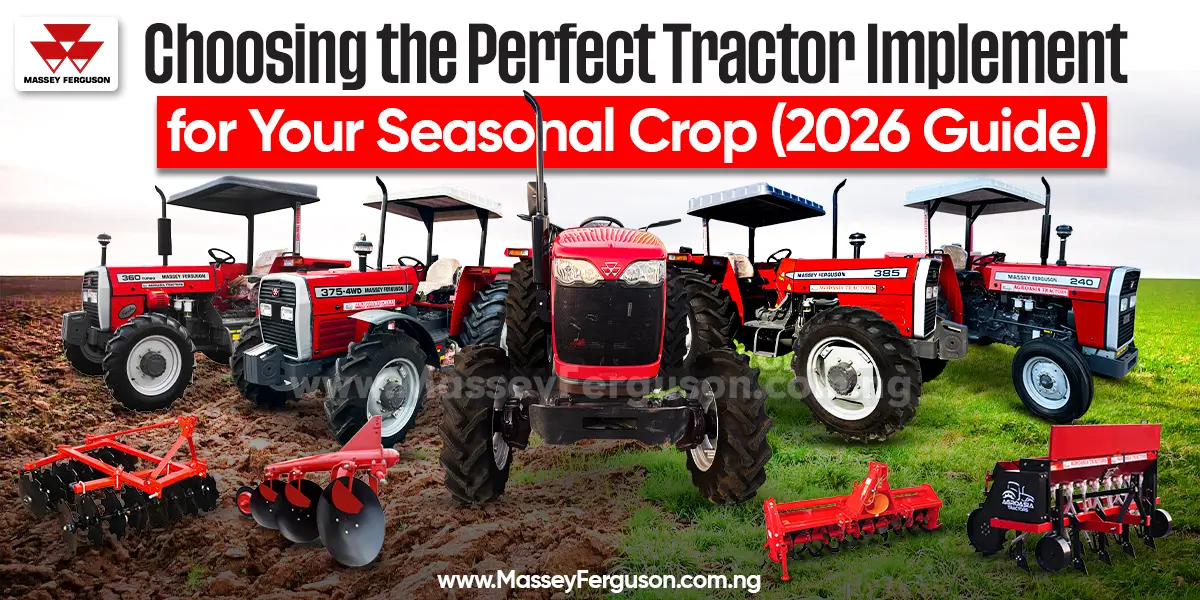
Agriculture today whether in Asia, Africa, or anywhere across the globe is no longer limited to physical effort. Modern farming has shifted toward smart, efficient, and technology-driven practices. With farm mechanization now playing a central role, selecting the right tractor implement for each seasonal crop has become one of the most important decisions for any farmer. The correct attachment can transform your entire farming cycle, from land preparation to planting and harvesting.
Buying right implement not only boosts productivity but also reduces manual labor, saves valuable time, cuts operational costs, and helps improve crop output. However, with an ever-growing range of tools such as ploughs, cultivators, rotavators, seed drills, boom sprayers, threshers, and harvesters, choosing the perfect one for your crop and season can feel overwhelming.
In this guide, we simplify the selection process and explain everything you need to consider so you can make a smart, well-informed decision for your farm.
Choosing the Perfect Tractor Implement for Your Seasonal Crop
-
Know Your Crop Cycle and Seasonal Requirements
Every crop has its own growth cycle, and each stage — from soil preparation to harvesting — demands specific implements. Your choice of attachments should match:
- Crop type: Different crops require different operations. For example, rice needs puddling, groundnuts demand deeper tillage, and cotton benefits from precise sowing and proper pest control.
- Season: Kharif, Rabi, and Zaid seasons each come with unique soil, temperature, and moisture conditions, influencing the implements you should use.
- Farming tasks: Activities like ploughing, sowing, spraying and harvesting all need dedicated tools.
-
Check Your Tractor’s Power and Compatibility
Before selecting implements, ensure your tractor has the right power and PTO capacity to handle them. Always match the size and weight of the implement to your tractor’s specifications to avoid inefficiency or damage.
- Up to ~30 HP: Ideal for implements like cultivators, mini rotavators, and single-bottom ploughs.
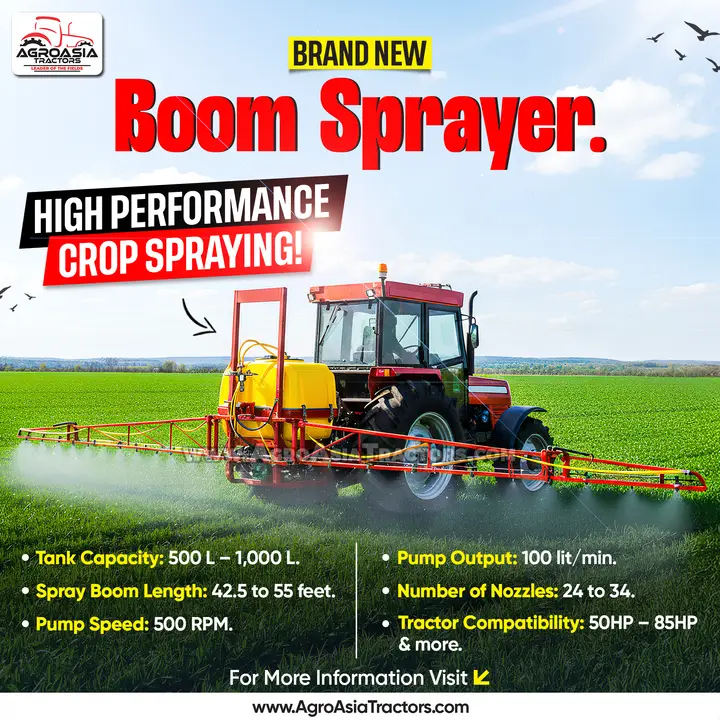
- Around 30–50 HP: Suitable for medium-duty implements like seed drills, small boom sprayers, and rotavators.
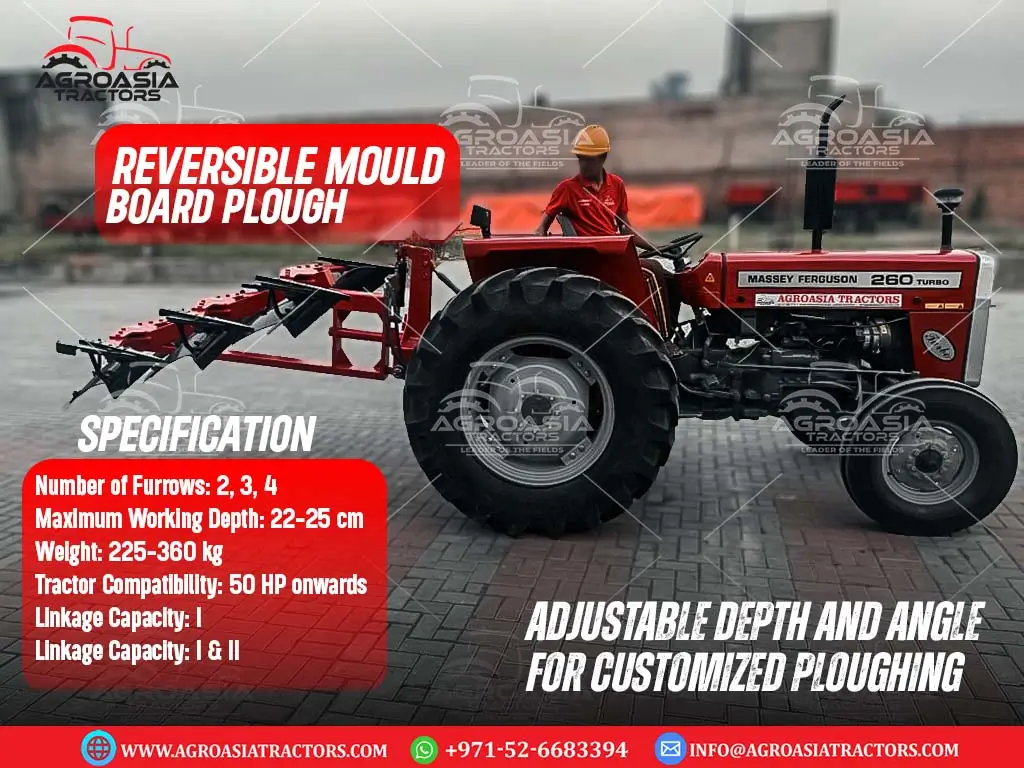
- Above ~50 HP: Can handle heavy-duty tools like reversible ploughs, mulchers, and mechanized harvesters.
-
Choose Implements Based on Soil Type and Terrain
Your field’s soil condition and landscape play a major role in deciding which implements will perform best.
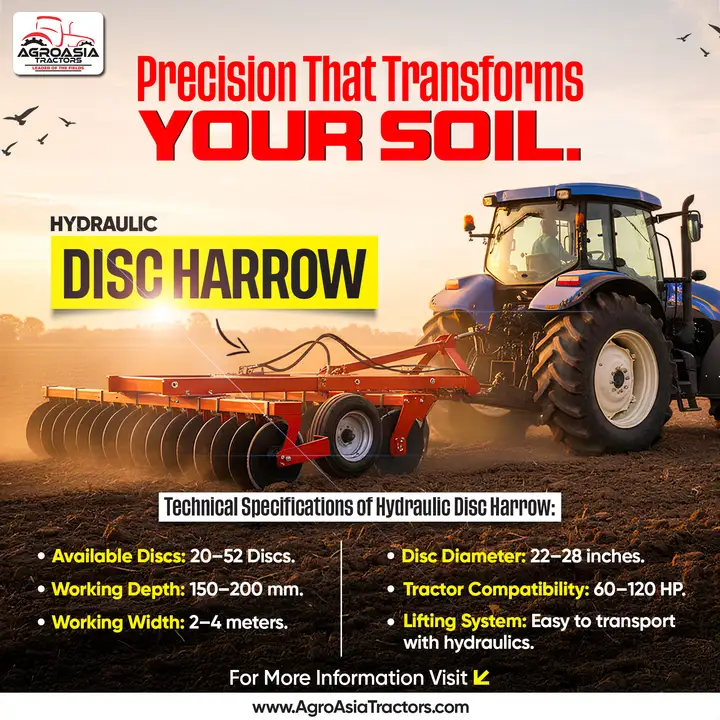
- Clay or black soils: These heavier soils benefit from strong, deep-working tools like disc harrows or heavy rotavators.
- Sandy soils: Require lighter tillage implements to prevent unnecessary breakdown of the soil structure.
- Hilly or uneven terrain: Works best with compact, easy-to-handle implements designed for stability on slopes.
-
Multipurpose and Season-Friendly Implements
Choosing implements that work across different crops and seasons can save money and increase overall efficiency.
- Rotavators: Versatile tools suitable for year-round use in crops like wheat, cotton, maize, and sugarcane.
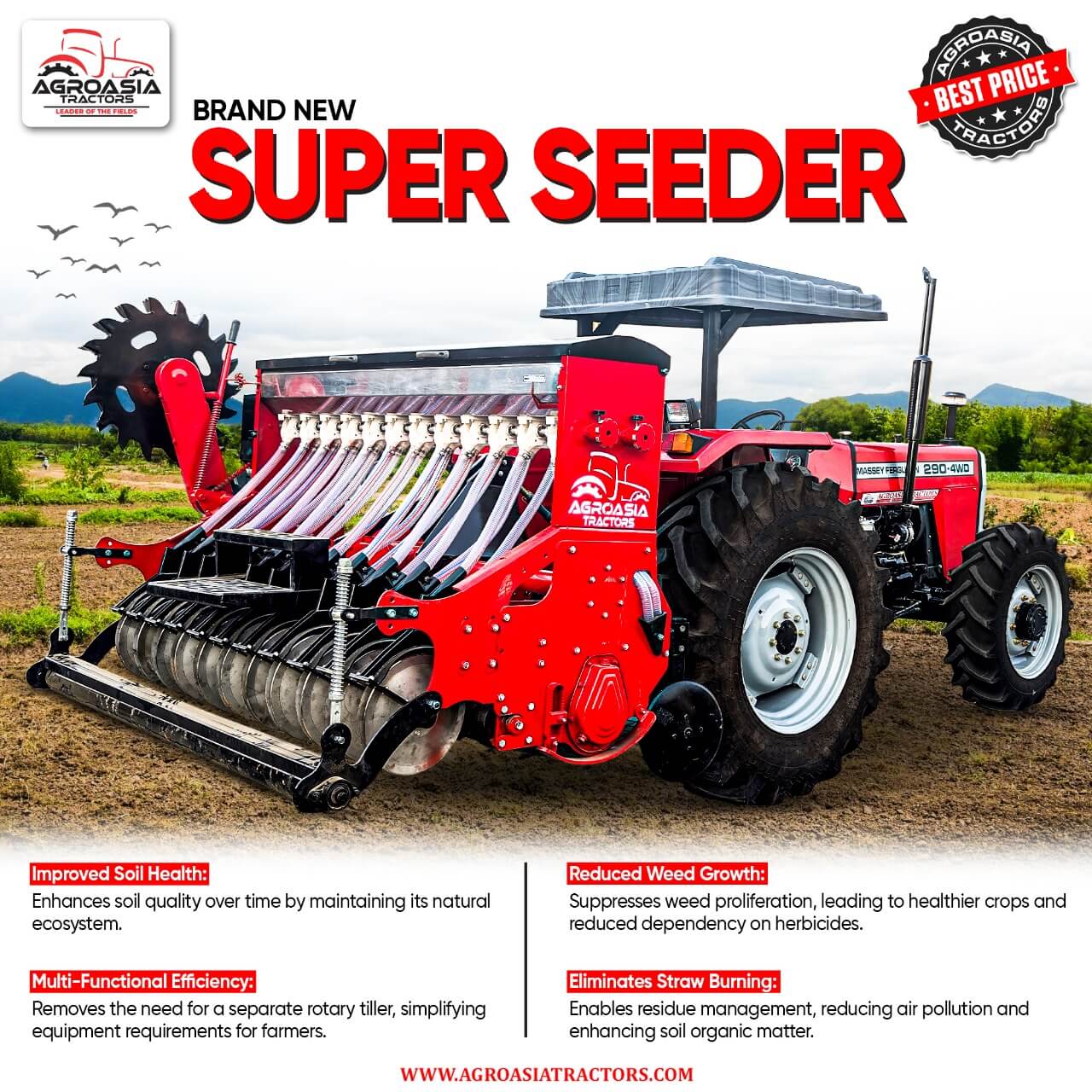
- Seed-cum-fertilizer drills: Ideal for a variety of crops including cereals, pulses, and oilseed varieties.
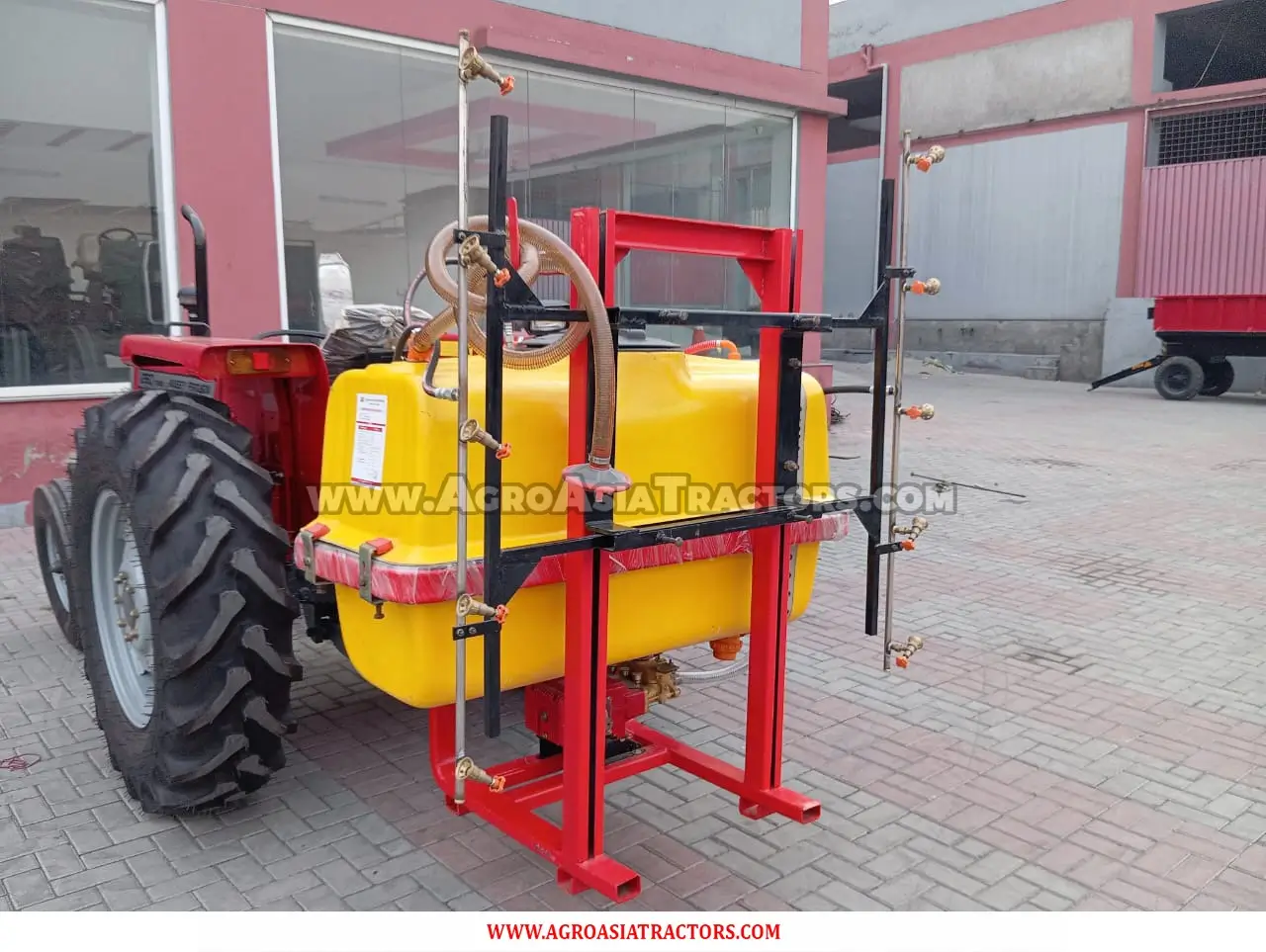
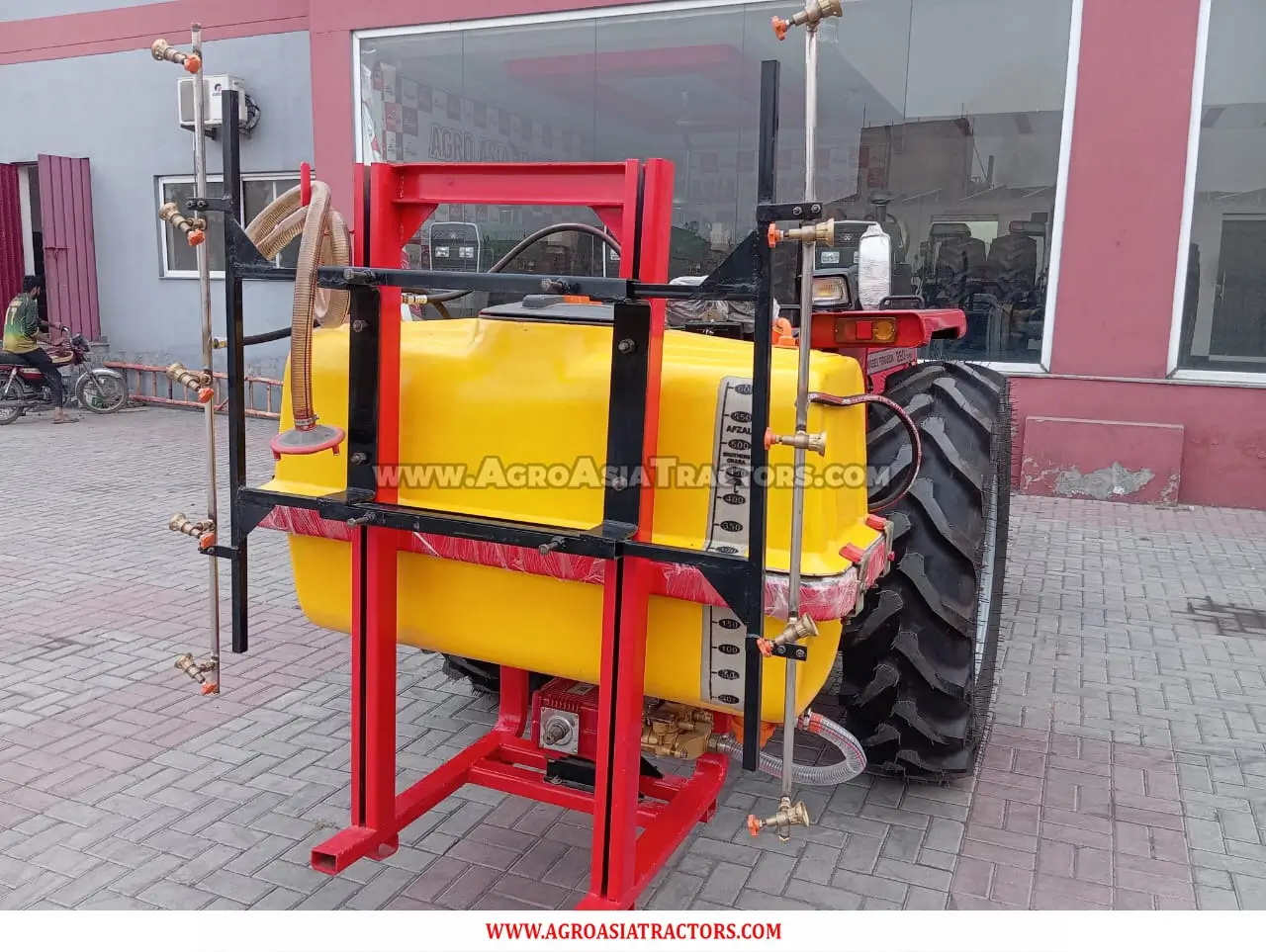
- Boom sprayers: Useful throughout all crop stages for applying pesticides, nutrients, and foliar sprays.
Conclusion
Selecting the right tractor implement isn’t just about buying equipment it’s about making a smart, long-term investment in your farm’s efficiency and profitability. When you evaluate your crop needs, tractor power, soil conditions, and budget, you can choose tools that enhance every stage of your farming cycle.
Modern mechanization is reshaping seasonal agriculture. With the right implements, you’re not only improving your farm operations you’re strengthening your entire farming business.